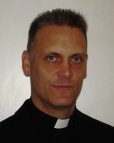
Short sermon preached at 8am Eucharist at St Alphege, Solihull
Sunday 8th February 2009 – Third Sunday before lent
Readings for Fifth Sunday after Epiphany, Year B
Readings: Isaiah 40:21-31 1 Corinthians 9: 16-23 Mark 1: 29-39
The Apostle Paul is often seen as the archetypal missionary preacher. Certainly the New Testament, especially in the Acts of the Apostles, shows Paul as extraordinarily effective in proclaiming the gospel. This was his great passion; “Woe betide me if I do not proclaim the gospel” we read from him today. And for me, as a child, an image of this formed in my mind. A huge figure Paul is standing high above a crowd, preaching the gospel in a loud voice and with great emotion and with lots of finger waging. And the people in the crowd are cowering before him in fear for their immortal souls, and are weeping in repentance for their sins.
As time has gone by I have come to realise that this image is not quite right, and in places it reveals some serious misconceptions about what it means to proclaim the gospel. For a start we know that Paul’s physical stature was neither big nor impressive (Acts of Paul and Thecla 3 - late 2nd century). Paul notes of himself that, "His letters are weighty and strong, but his bodily presence is weak, and his speech contemptible." (2 Cor 10:10) But above all, what is wrong is the impression that Paul, through strength of argument or personality was somehow able to force or coerce people into accepting the gospel. I am quite sure that it was not like this at all. In fact the techniques Paul described in our reading today are the very opposite of force or coercion. They show the love of someone who places great value on the experience and opinions of others.
First of all Paul says, “I have made myself a slave to all, so that I might win more of them.” Paul sees himself as a slave or a servant of those who he seeks to convert. This does not mean that he allows them to dominate or control him or walk all over him. Rather it means he will look at these people with great charity, trying to see them as God sees them, and trying to recognise and understand God’s creation in them, and above all trying to find within them the new life of Christ. It is this new life in Christ and God’s creation in them that Paul is seeking to serve. He will do whatever he can to nurture it, understand it and help it to grow. And the point about being a servant or a slave is that this is done, not on Paul’s terms, but on the terms of the one who is served. Paul serves Jesus, present in the other people.
But then, even more mysteriously, Paul says, “To the Jews I became a Jew… to those not bound by the law of Moses I became like one not bound by the law of Moses…to the week I became week…I have become all things to all people, so that I might by any means win some.” This means that Paul seeks to set aside his own agenda and priorities in order to focus properly on the experience and aspirations of Christ present in the people he meets, be they Jews, or non Jews, the week or the strong. Paul is ready to die to Christ in himself, in order to rise with Christ in the other person. Paul seeks to empathise with Christ in the other person. He seeks to walk in the shoes of the other in order to understand the other and to share in their joys and sorrows, their hopes and fears. And Paul remains convinced that it is this losing of himself for Christ in the other that will eventually win the other over to Christ.
And this is the pattern for our love too. We need to be ready to lose everything in order to seek out and love Christ present in the other person. We seek to empathise with and share in the experience of Christ in that person. And this helps Christ to grow, both in them and in us and so it brings forward the kingdom of God. Amen.
Showing posts with label Christ. Show all posts
Showing posts with label Christ. Show all posts
08 February 2009

11 January 2009
The Holy Spirit at the Baptism of Christ
Sermon preached at St Alphege, Solihull, 11am Eucharist on Sunday 11th January 2009
Epiphany 1 - The Baptism of Christ, Year B.
Readings: Genesis 1: 1-5 Acts 19: 1-7 Mark 1: 4-11
Our readings today make us reflect on the Holy Spirit. They remind us how incredibly important the Holy Spirit is, and how significant his role is in so many crucial moments.
In our reading from Genesis we heard the first five verses of the bible; the beginning of the creation story. And this included, in the second verse of the bible, a reference to the Holy Spirit. You may have missed it because we read from the NRSV of the bible, which translates the Hebrew as, “A wind from God swept over the face of the waters.” But the Authorised Version of the Bible translates this as “And the Spirit of God moved upon the face of the waters.” The NIV translates it as “the Spirit of God was hovering over the waters”. However it is translated, the point remains the same; the Holy Spirit was present and participating at the very beginning of creation.
In our gospel reading we heard Mark’s very brief account of the ministry of John the Baptist. We heard how people went see John in the wilderness. They confessed their sins and were baptised with a baptism of repentance. And John proclaimed that the one coming after him, was much greater than he was, because John baptised only with water, whereas the one who was coming would baptise with the Holy Spirit.
And is seems that there is some very profound link between Jesus, baptism and the Holy Spirit. This first comes to light when Jesus is baptised by John, and we heard this story at the end of our gospel reading. Jesus came up out of the water and he saw heaven torn open and the spirit descending like a dove upon him. Then there was the voice from heaven. “You are my Son, the beloved, with you I am well pleased.”
This incident is recorded in all four gospels. In Mark’s gospel, which we heard today, it is not very clear that anyone else other that Jesus actually saw the spirit descend or heard the voice. Luke’s account suggests that the incident might have been clearly visible to the many people who were present. In John’s account John the Baptist testifies that he saw the Spirit alight on Jesus and remain there, and that this for him was a clear sign that Jesus was the one to baptise with the Holy Spirit; the Son of God. In the Church we always think of the baptism of Christ as a key “epiphany moment”; a moment when Jesus is revealed to the world as someone very important. In fact this is a particularly significant epiphany moment because the descending Spirit shows Jesus to be the anointed one, the Messiah, and the voice from heaven goes further telling us that he is God’s own son, the beloved.
But the links between Jesus, the Holy Spirit and baptism go well beyond the decent of the Holy Spirit onto Jesus at his own baptism. As John the Baptist explained, the baptism of Jesus is a baptism with the Holy Spirit, whereas John’s baptism with water is a much simpler symbol of repentance. This distinction between the baptism of John and the baptism of Jesus became even more important in the life of the early church, after the resurrection and ascension of Jesus. This is because of incidents like the one we heard about in our reading from the Acts of the Apostles. Paul arrived in Ephesus and found some followers of Jesus there. However they had been baptised only with the baptism of John, and their baptism was in some way incomplete. But when Paul baptised them in the name of the Lord Jesus they received the Holy Spirit, and suddenly they started to speak in tongues and to prophesise.
Because of incidents like this the early Church quickly resolved to baptise, “In the name of the Father and of the Son and of the Holy Spirit”. This formulation used in Baptism emerged very early on in the life of the infant Church, several centuries before the doctrine of the Holy Trinity was formulated.
So those of us who have been baptised have received the Holy Spirit in our baptism. Those of us who have been Confirmed have been further strengthened in the Holy Spirit as we give our own ascent to our baptismal promises, and as the bishop lays hands on us.
So what difference does it make for us, that we have received the Holy Spirit in our baptism? Well these are deep mysteries that mystics and theologians continue to dwell upon. But John’s gospel gives us some pointers in the conversation between Jesus and Nicodemus. As Jesus says, “I tell you the truth, no one can enter the kingdom of God unless he is born of water and the Spirit. Flesh gives birth to flesh, but the Spirit gives birth to spirit” (John 3: 5-6). Somehow, in our baptism, the Holy Spirit brings to birth within us a new life in the Spirit, which is also a new life in Christ. With the correct care and nurture this new life in the spirit can grow and develop within us, until we become mature, to the measure of the full stature of Christ (c.f. Eph 4: 13). And this maturity is deeply tied up with our unity with the other people who have been baptized into Christ, with unity in the life of the Church (e.g. Eph 4: 13, Gal 3: 26-28).
So the challenge for us is to nurture ourselves well so that we can grow in the Spirit and grow in Christ. And this is a great challenge because so many things about our contemporary society are very unhelpful to this growth. However there are things we can do. Coming to Mass regularly is a very helpful thing. Confessing our sins is very helpful. Prayer is very helpful. Studying the bible and reflecting on it is very helpful. Seeking to see Jesus in the people around us, and to love Jesus in them is also very, very helpful. It is very helpful if we can share something of our spiritual lives with others, so it becomes not just an individual things that I do on my own, but something I do together with other people, together with the others in the Church.
So today let’s give thanks for the Holy Spirit, let’s praise God for the new life that he gives us through baptism, and let’s pray that the Spirit will help us to grow in that life and to bring it to maturity.
Epiphany 1 - The Baptism of Christ, Year B.
Readings: Genesis 1: 1-5 Acts 19: 1-7 Mark 1: 4-11
Our readings today make us reflect on the Holy Spirit. They remind us how incredibly important the Holy Spirit is, and how significant his role is in so many crucial moments.
In our reading from Genesis we heard the first five verses of the bible; the beginning of the creation story. And this included, in the second verse of the bible, a reference to the Holy Spirit. You may have missed it because we read from the NRSV of the bible, which translates the Hebrew as, “A wind from God swept over the face of the waters.” But the Authorised Version of the Bible translates this as “And the Spirit of God moved upon the face of the waters.” The NIV translates it as “the Spirit of God was hovering over the waters”. However it is translated, the point remains the same; the Holy Spirit was present and participating at the very beginning of creation.
In our gospel reading we heard Mark’s very brief account of the ministry of John the Baptist. We heard how people went see John in the wilderness. They confessed their sins and were baptised with a baptism of repentance. And John proclaimed that the one coming after him, was much greater than he was, because John baptised only with water, whereas the one who was coming would baptise with the Holy Spirit.
And is seems that there is some very profound link between Jesus, baptism and the Holy Spirit. This first comes to light when Jesus is baptised by John, and we heard this story at the end of our gospel reading. Jesus came up out of the water and he saw heaven torn open and the spirit descending like a dove upon him. Then there was the voice from heaven. “You are my Son, the beloved, with you I am well pleased.”
This incident is recorded in all four gospels. In Mark’s gospel, which we heard today, it is not very clear that anyone else other that Jesus actually saw the spirit descend or heard the voice. Luke’s account suggests that the incident might have been clearly visible to the many people who were present. In John’s account John the Baptist testifies that he saw the Spirit alight on Jesus and remain there, and that this for him was a clear sign that Jesus was the one to baptise with the Holy Spirit; the Son of God. In the Church we always think of the baptism of Christ as a key “epiphany moment”; a moment when Jesus is revealed to the world as someone very important. In fact this is a particularly significant epiphany moment because the descending Spirit shows Jesus to be the anointed one, the Messiah, and the voice from heaven goes further telling us that he is God’s own son, the beloved.
But the links between Jesus, the Holy Spirit and baptism go well beyond the decent of the Holy Spirit onto Jesus at his own baptism. As John the Baptist explained, the baptism of Jesus is a baptism with the Holy Spirit, whereas John’s baptism with water is a much simpler symbol of repentance. This distinction between the baptism of John and the baptism of Jesus became even more important in the life of the early church, after the resurrection and ascension of Jesus. This is because of incidents like the one we heard about in our reading from the Acts of the Apostles. Paul arrived in Ephesus and found some followers of Jesus there. However they had been baptised only with the baptism of John, and their baptism was in some way incomplete. But when Paul baptised them in the name of the Lord Jesus they received the Holy Spirit, and suddenly they started to speak in tongues and to prophesise.
Because of incidents like this the early Church quickly resolved to baptise, “In the name of the Father and of the Son and of the Holy Spirit”. This formulation used in Baptism emerged very early on in the life of the infant Church, several centuries before the doctrine of the Holy Trinity was formulated.
So those of us who have been baptised have received the Holy Spirit in our baptism. Those of us who have been Confirmed have been further strengthened in the Holy Spirit as we give our own ascent to our baptismal promises, and as the bishop lays hands on us.
So what difference does it make for us, that we have received the Holy Spirit in our baptism? Well these are deep mysteries that mystics and theologians continue to dwell upon. But John’s gospel gives us some pointers in the conversation between Jesus and Nicodemus. As Jesus says, “I tell you the truth, no one can enter the kingdom of God unless he is born of water and the Spirit. Flesh gives birth to flesh, but the Spirit gives birth to spirit” (John 3: 5-6). Somehow, in our baptism, the Holy Spirit brings to birth within us a new life in the Spirit, which is also a new life in Christ. With the correct care and nurture this new life in the spirit can grow and develop within us, until we become mature, to the measure of the full stature of Christ (c.f. Eph 4: 13). And this maturity is deeply tied up with our unity with the other people who have been baptized into Christ, with unity in the life of the Church (e.g. Eph 4: 13, Gal 3: 26-28).
So the challenge for us is to nurture ourselves well so that we can grow in the Spirit and grow in Christ. And this is a great challenge because so many things about our contemporary society are very unhelpful to this growth. However there are things we can do. Coming to Mass regularly is a very helpful thing. Confessing our sins is very helpful. Prayer is very helpful. Studying the bible and reflecting on it is very helpful. Seeking to see Jesus in the people around us, and to love Jesus in them is also very, very helpful. It is very helpful if we can share something of our spiritual lives with others, so it becomes not just an individual things that I do on my own, but something I do together with other people, together with the others in the Church.
So today let’s give thanks for the Holy Spirit, let’s praise God for the new life that he gives us through baptism, and let’s pray that the Spirit will help us to grow in that life and to bring it to maturity.
20 July 2008
Why does God tolerate evil?
Thought for the parish pewslip.
Readings: Wisdom 12: 13,16-19 Romans 8: 12-25 Matthew 13:24-30, 36-43
(N.B. – The “Book of Wisdom” or “Wisdom of Solomon” does not appear in many standard bibles. To find it you need a bible that includes the Apocrypha, or a Catholic Edition)
If God is all powerful, and all good, why does he tolerate evil? Why does God allow bad things to happen? Our readings today give some insights into these deep mysteries.
The book of wisdom reminds us that God is all powerful, but cares for ALL people, and judges them with mildness and forbearance. Above all he allows time for repentance (verses 10&20).
In Romans, St. Paul tells us not to live in accordance with our flesh, because we know that one day we will die and our flesh will turn to dust and ashes. Rather he tells us to live by the Spirit because by the Spirit we share the destiny of Christ. He tells us that we suffer with Christ, so that we may be glorified with him. Certainly we suffer as earthly things pass away (our health, our bodies, our wealth) just as Christ suffered, but Paul tells us to have hope and confidence that a much more wonderful glory will be revealed, just as Christ’s resurrection was revealed. And this glory of renewal is not just for us, and our bodies, but for the whole of creation.
From Matthew’s gospel we hear the parable of the weeds among the wheat. We need to concentrate on doing good, and growing up like the wheat, which has a great future. We should do our best to ignore the weeds in us and in other people, because at the end of the age the weeds are destroyed.
Readings: Wisdom 12: 13,16-19 Romans 8: 12-25 Matthew 13:24-30, 36-43
(N.B. – The “Book of Wisdom” or “Wisdom of Solomon” does not appear in many standard bibles. To find it you need a bible that includes the Apocrypha, or a Catholic Edition)
If God is all powerful, and all good, why does he tolerate evil? Why does God allow bad things to happen? Our readings today give some insights into these deep mysteries.
The book of wisdom reminds us that God is all powerful, but cares for ALL people, and judges them with mildness and forbearance. Above all he allows time for repentance (verses 10&20).
In Romans, St. Paul tells us not to live in accordance with our flesh, because we know that one day we will die and our flesh will turn to dust and ashes. Rather he tells us to live by the Spirit because by the Spirit we share the destiny of Christ. He tells us that we suffer with Christ, so that we may be glorified with him. Certainly we suffer as earthly things pass away (our health, our bodies, our wealth) just as Christ suffered, but Paul tells us to have hope and confidence that a much more wonderful glory will be revealed, just as Christ’s resurrection was revealed. And this glory of renewal is not just for us, and our bodies, but for the whole of creation.
From Matthew’s gospel we hear the parable of the weeds among the wheat. We need to concentrate on doing good, and growing up like the wheat, which has a great future. We should do our best to ignore the weeds in us and in other people, because at the end of the age the weeds are destroyed.
Subscribe to:
Posts (Atom)