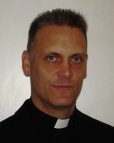
Sermon preached at 9.45 am Holy Communion (BCP) at St Michael’s Baddesley Clinton on Sunday 6th February 2011. Shorter versions of this sermon were preached at St Mary’s Lapworth at 8.30am and at 11am.
Epiphany 5, Year A (Fifth Sunday before Lent)
Readings: 1 Corinthians 2: 1-12 Matthew 5: 13-20
Recently I read about an experience of a young child, we’ll call him Peter, at school in Texas. It was playtime, and Peter was playing with his friends, but the friends did not want the children from the other class to join in with the game. The Teacher on duty ticked the friends off for being selfish and asked them to play with the other children. There was an awkward pause, but Peter knew in his heart that the teacher was right, and that the generous thing to do, the loving thing to do, was to include the other children. He called out to one of them and began to involve him in the game. A few moments later he looked round, and he was amazed to see that his friends had also welcomed the children from the other class, and now all the children were playing together.
It is a very simple story, but it is a very good example about how generosity and goodness has an infectious quality; how one good deed leads to another, how if one person sets a good example, often others will follow.
I remember I had an experience of this myself a few years ago. My morning drive to work involved an awkward right hand turn. When traffic was heavy it was often necessary to drive in way that was rather pushy in order to make the right hand turn. Gradually I found that my driving style was becoming pushier and more aggressive in general because I was practising this attitude at this particular right hand turn. Then, one day, when I had just arrived at the junction and was preparing to pick my moment to go, suddenly a car on the main carriage way slowed down for me, and signalled for me to come out. I moved out straight away, and waved to the man, to whom I was very grateful. But as I drove on I found that the incident had somehow lifted my soul. Suddenly the world seemed good, and everybody was a friend and I found myself driving very courteously, and letting people out of congested side roads myself.
And it seems to me that stories like this illustrate what Jesus wants from us when he asks us to be the Light of the World. Last week we remembered Simeon in the Temple, saying that the baby Jesus would be a “light to lighten the gentiles” (Luke 2: 32) and we remembered that Jesus really adopted this understanding for himself when he himself came to say, “I am the light of the World” (John 8: 12). When I spoke about this last week I said that we needed to walk in the light of Christ ourselves, and then we, as the body of Christ, had to offer that same light of Christ to the world. Well Jesus in his statement today, “You are the light of the world” (Matt 5: 13) emphasises that second of these two points. We are called to be the light of Christ for other people, so that they me see our good works and give glory to our father in heaven.
So how do we do that in practice? How do we be the light of the world? Well let’s remember that this light does not come from us. The light that we give to the world has to be the light of Christ, shining through us. It is not as though we generate this light ourselves, rather it is about allowing the light of Christ to shine within us.
So I think it boils down to the same message as last week. First and foremost we need to walk in the light of Christ ourselves. We can’t be light to the world if we don’t have the light of Christ within us. The light that Christ gives us comes especially from his teachings and his example. We need to live by his teachings and follow his examples, so that we are filled with his light. Then it is a question letting this light shine out, and not keeping the light under a bushel. This means being open and transparent about our faith, not hiding it away in a box and only taking it out on Sundays! Above all it means being generous to others, like Peter in Texas, or like the car driver who let me out at the junction. As these acts of generosity spread, we are being light to the world. Amen.
Showing posts with label light. Show all posts
Showing posts with label light. Show all posts
06 February 2011

30 January 2011
The light to lighten the gentiles
Sermon preached at the 11am Parish Eucharist at St Mary the Virgin, Lapworth. Shorter versions of this sermon were preached at the 8.30am Said Eucharist and at St Michael’s Baddesley for 9.45am Holy Communion (BCP).
The Presentation of Christ in the Temple
Readings: Hebrews 2: 14-18 Luke 2: 22-40
The festival we celebrate today has at least three different names, according to which aspect of it is being emphasised. Most typically we call it the “Presentation” thinking of the baby Jesus being presented in the temple. Under the Jewish Law, the Torah, the first five books of the bible, the first born of any womb belonged to the Lord and had to be presented to the priests in the temple. This is because the Lord had struck down the first born of the Egyptians at the time of the exile, and so he also claimed as his own the first born of all the Israelites and their animals; the first born were to be presented to the Lord and set aside for the Lord use. This rule about the first born applied to both people and animals, and there are several regulations (e.g. Ex 13: 1-2, 11-16, Leviticus 27, Numbers 18: 5) about it which we can read in the first five books of the bible. In the case of human babies, the rules required parents to “redeem” a first born child immediately after they had presented the child to the priests. It would cost five shekels to redeem the child. So the arrangement ended up working rather like a tax that was paid to the Temple on all first born children. I think this shows us something of the humility of Mary. You agree to be the handmaid of the Lord, and to be the mother of the Son of God. Then you have to pay a temple tax on the child for the privilege!
But in fact there was more for Mary to do than that. Under the Law (Lev 12) a woman also had to undergo the rite of purification 40 days after childbirth. The festival we celebrate today is sometimes called The Purification of the Blessed Virgin Mary. The rites of purification involved making a sacrifice for sin. The gospel tells us that Mary and Joseph made the sin offering of the poor, a pair of turtle doves or two young pigeons, rather than the standard offering of a lamb. (I do wonder what happened to all that gold, frankincense and myrrh!?) Again it seems to me that we are shown something of the humility of Mary who goes through these rituals even though her baby is the son of God. If we accept the Roman Catholic doctrines whereby Mary is free from sin, then there is a further irony in her being expected to make a sin offering!
So sometimes we call the festival “The Presentation”, thinking of the baby Jesus presented at the temple, sometimes we call it “The Purification of the Blessed Virgin Mary”, but we also call it “Candlemas” and we celebrate it especially with candles, or torch light processions. And the theme of candles or light comes from the words of Simeon that we heard in our gospel today. He said that Jesus would be “a light for revelation to the gentiles, and the glory of [God’s people] Israel”. Now the word gentiles means nations or peoples, and it the Old Testament it refers to all the other nations beyond the nation of Israel, all the other peoples, beyond the Jewish people. So Simeon’s proclamation that Jesus is a light for revelation to the gentiles is extraordinarily prophetic. It is a real epiphany moment. Jesus is shown, or revealed, or manifested, to be a light to all peoples and all nations. Simeon foresees that Jesus’ significance stretches far beyond Judaism and that the whole world will be illuminated by his light. And we, who have few connections with Judaism, can praise God, that through Jesus, the graces God has poured out on Israel are to benefit the whole world.
So what does it mean to us – Jesus the light to the nations, Jesus who later proclaims himself to be the light of the world (John 8: 12). Well first of all we have to “walk in the light” as the song says “Walk, walk in the light”. And the light that Jesus gives us comes especially from his teachings and example. We need to follow that teaching and imitate the example given. These teachings and examples principally tell us to love; to love God and to love our neighbours, to always grow in love. So we need to walk in the light ourselves by always loving others, always seeking the good of the others.
But then that brings us to the other side of it. As the Church we are the body of Christ. Just as Simeon could see that the baby Jesus was a light for the nations, so the body of Jesus, the church should be a light for all the nations, a light for all the peoples. We too are called to be a light for all peoples. We are called to shine with the light of love, Christ’s love for the good of others, so that they too may learn to walk in the light of Jesus, so that they too will learn to love.
So if we walk in the light ourselves, by growing in love, so we become a light to others and we help them to walk in the light and grow in love. And so the light of Jesus spreads – the light for all peoples becomes ever more visible. The prophecy of Simeon is fulfilled as Jesus becomes ever more completely the light to lighten the nations. Amen.
The Presentation of Christ in the Temple
Readings: Hebrews 2: 14-18 Luke 2: 22-40
The festival we celebrate today has at least three different names, according to which aspect of it is being emphasised. Most typically we call it the “Presentation” thinking of the baby Jesus being presented in the temple. Under the Jewish Law, the Torah, the first five books of the bible, the first born of any womb belonged to the Lord and had to be presented to the priests in the temple. This is because the Lord had struck down the first born of the Egyptians at the time of the exile, and so he also claimed as his own the first born of all the Israelites and their animals; the first born were to be presented to the Lord and set aside for the Lord use. This rule about the first born applied to both people and animals, and there are several regulations (e.g. Ex 13: 1-2, 11-16, Leviticus 27, Numbers 18: 5) about it which we can read in the first five books of the bible. In the case of human babies, the rules required parents to “redeem” a first born child immediately after they had presented the child to the priests. It would cost five shekels to redeem the child. So the arrangement ended up working rather like a tax that was paid to the Temple on all first born children. I think this shows us something of the humility of Mary. You agree to be the handmaid of the Lord, and to be the mother of the Son of God. Then you have to pay a temple tax on the child for the privilege!
But in fact there was more for Mary to do than that. Under the Law (Lev 12) a woman also had to undergo the rite of purification 40 days after childbirth. The festival we celebrate today is sometimes called The Purification of the Blessed Virgin Mary. The rites of purification involved making a sacrifice for sin. The gospel tells us that Mary and Joseph made the sin offering of the poor, a pair of turtle doves or two young pigeons, rather than the standard offering of a lamb. (I do wonder what happened to all that gold, frankincense and myrrh!?) Again it seems to me that we are shown something of the humility of Mary who goes through these rituals even though her baby is the son of God. If we accept the Roman Catholic doctrines whereby Mary is free from sin, then there is a further irony in her being expected to make a sin offering!
So sometimes we call the festival “The Presentation”, thinking of the baby Jesus presented at the temple, sometimes we call it “The Purification of the Blessed Virgin Mary”, but we also call it “Candlemas” and we celebrate it especially with candles, or torch light processions. And the theme of candles or light comes from the words of Simeon that we heard in our gospel today. He said that Jesus would be “a light for revelation to the gentiles, and the glory of [God’s people] Israel”. Now the word gentiles means nations or peoples, and it the Old Testament it refers to all the other nations beyond the nation of Israel, all the other peoples, beyond the Jewish people. So Simeon’s proclamation that Jesus is a light for revelation to the gentiles is extraordinarily prophetic. It is a real epiphany moment. Jesus is shown, or revealed, or manifested, to be a light to all peoples and all nations. Simeon foresees that Jesus’ significance stretches far beyond Judaism and that the whole world will be illuminated by his light. And we, who have few connections with Judaism, can praise God, that through Jesus, the graces God has poured out on Israel are to benefit the whole world.
So what does it mean to us – Jesus the light to the nations, Jesus who later proclaims himself to be the light of the world (John 8: 12). Well first of all we have to “walk in the light” as the song says “Walk, walk in the light”. And the light that Jesus gives us comes especially from his teachings and example. We need to follow that teaching and imitate the example given. These teachings and examples principally tell us to love; to love God and to love our neighbours, to always grow in love. So we need to walk in the light ourselves by always loving others, always seeking the good of the others.
But then that brings us to the other side of it. As the Church we are the body of Christ. Just as Simeon could see that the baby Jesus was a light for the nations, so the body of Jesus, the church should be a light for all the nations, a light for all the peoples. We too are called to be a light for all peoples. We are called to shine with the light of love, Christ’s love for the good of others, so that they too may learn to walk in the light of Jesus, so that they too will learn to love.
So if we walk in the light ourselves, by growing in love, so we become a light to others and we help them to walk in the light and grow in love. And so the light of Jesus spreads – the light for all peoples becomes ever more visible. The prophecy of Simeon is fulfilled as Jesus becomes ever more completely the light to lighten the nations. Amen.
24 December 2010
The true light, coming into the world
Sermon preached at Midnight Mass, 11.30pm, 24th December 2010 at St Mary’s Lapworth. Shorter versions of this sermon were also preached on 25th December at the 8.30am Said Eucharist at St Mary’s and at the 9.45am Holy Communion (BCP) at St Michael’s, Baddesley Clinton.
Readings (set III): Is 52: 7-10 John 1: 1-14
My uncle, who is not a great church goer, used to complain, “Every time I go to church, we always have the same scripture reading. There is the whole bible to choose from, but they always choose the same bit to read in the service…you know, that bit “In the beginning was the word…”. Well of course, when we worked it out, we realised that the reason he only ever got one scripture reading was that he only ever went to one service, which was Midnight mass, and at Midnight mass we do very often have that famous reading from John.
And although it is a very famous reading and is very well known, it is not an easy reading to understand. It talks about Jesus in many different ways. It talks of Jesus as “Word of God”, as the source of creation and life, and as light. It also talks of Jesus as flesh, and as Son of God. Well you will be relieved to know that I am not going to analyse all those different descriptions of Jesus today. Rather I would like to just reflect with you about Jesus as light.
Now we all know how important light is, and how difficult things can be when there is no light. When she was very young, one of our children used to be afraid of the dark. We would put her to bed at night with her bedroom door ajar, and with the landing light on, and that would be fine. But one night, our first night back after two weeks away on holiday, there was a power cut in the middle of the night. Somehow Imogen managed to notice that it was completely dark and she started screaming because she was afraid of the dark. Elaine and I woke up and tried to sort things out. I found myself completely confused. I was half awake and half asleep. I was confused about whether I was in the holiday house in France, or in our own home. I couldn’t remember where there were any candles or torches. So Elaine went to find a candle, and I went in to comfort Imogen. Anyway I made no progress in comforting Imogen, because it was dark and she was scared of the dark, so she kept on screaming and I remained in my utterly confused state, not even sure about what house I was in. Anyway eventually Elaine arrived with a candle and there was light; not a lot of light but light enough and it made all the difference. Suddenly Imogen stopped screaming, suddenly I was properly awake, and knew what house I was in and everything was fine. What a difference a little light makes!
And Jesus, the light of the world, also makes a huge difference. Without Jesus it is very unclear why we exist on this earth, how we should live, how we should respond to the people around us, how we should pray or what we should think about God, or life or death or good or evil. Jesus, by his teaching and by his example, throws extraordinary light on all these questions. He reveals God to be a father who loves us, and who has created us for an eternal good. He reveals God as present in the people around us, who we need to love and serve if God’s creation in us is to realise its potential; if the full meaning of our lives is to be revealed. And this light that Jesus throws on our lives is very closely related to Jesus as “word of God”, as God’s explanation, God’s teaching, God’s encouraging. It is like God is trying to communicate to us how we should live as human beings. How best to do that? Perhaps by words of explanation, by pictures, by diagram, The best explanation is by example, and this is Jesus the light of the world.
But Jesus is also light in the sense that light sustains life. Plants grow in the light, so without light there would be no plants and so no food for animals and so no animals. Light is fundamental to life and is associated with joy and contentment, whereas darkness is associated with death and frustration and misery. So Jesus, who is God the source of life, is also light in this sense, that life and all good things ultimately come from him.
And in the NT we think of the kingdom of heaven as a kingdom of light, and we contrast it with Satan’s kingdom of darkness. The light overcomes the darkness, and evil always tries to hide from the light, because the light exposes evil for what it is.
So my hope this Christmas is that we will all receive the light of Christ in our hearts; that we will make room for it, nurture it and allow it to grow. I hope that, by the light of Jesus, by his teaching and example, we may understand his love for us, and understand the love by which we need to relate to the people around us. I hope that the light of Christ we reveal to us our true identities, the people God created us to be. I hope that by this light of Christ shining in us, we in turn might provide light for the people around us, and help them to realise their true selves as well. Amen.
Readings (set III): Is 52: 7-10 John 1: 1-14
My uncle, who is not a great church goer, used to complain, “Every time I go to church, we always have the same scripture reading. There is the whole bible to choose from, but they always choose the same bit to read in the service…you know, that bit “In the beginning was the word…”. Well of course, when we worked it out, we realised that the reason he only ever got one scripture reading was that he only ever went to one service, which was Midnight mass, and at Midnight mass we do very often have that famous reading from John.
And although it is a very famous reading and is very well known, it is not an easy reading to understand. It talks about Jesus in many different ways. It talks of Jesus as “Word of God”, as the source of creation and life, and as light. It also talks of Jesus as flesh, and as Son of God. Well you will be relieved to know that I am not going to analyse all those different descriptions of Jesus today. Rather I would like to just reflect with you about Jesus as light.
Now we all know how important light is, and how difficult things can be when there is no light. When she was very young, one of our children used to be afraid of the dark. We would put her to bed at night with her bedroom door ajar, and with the landing light on, and that would be fine. But one night, our first night back after two weeks away on holiday, there was a power cut in the middle of the night. Somehow Imogen managed to notice that it was completely dark and she started screaming because she was afraid of the dark. Elaine and I woke up and tried to sort things out. I found myself completely confused. I was half awake and half asleep. I was confused about whether I was in the holiday house in France, or in our own home. I couldn’t remember where there were any candles or torches. So Elaine went to find a candle, and I went in to comfort Imogen. Anyway I made no progress in comforting Imogen, because it was dark and she was scared of the dark, so she kept on screaming and I remained in my utterly confused state, not even sure about what house I was in. Anyway eventually Elaine arrived with a candle and there was light; not a lot of light but light enough and it made all the difference. Suddenly Imogen stopped screaming, suddenly I was properly awake, and knew what house I was in and everything was fine. What a difference a little light makes!
And Jesus, the light of the world, also makes a huge difference. Without Jesus it is very unclear why we exist on this earth, how we should live, how we should respond to the people around us, how we should pray or what we should think about God, or life or death or good or evil. Jesus, by his teaching and by his example, throws extraordinary light on all these questions. He reveals God to be a father who loves us, and who has created us for an eternal good. He reveals God as present in the people around us, who we need to love and serve if God’s creation in us is to realise its potential; if the full meaning of our lives is to be revealed. And this light that Jesus throws on our lives is very closely related to Jesus as “word of God”, as God’s explanation, God’s teaching, God’s encouraging. It is like God is trying to communicate to us how we should live as human beings. How best to do that? Perhaps by words of explanation, by pictures, by diagram, The best explanation is by example, and this is Jesus the light of the world.
But Jesus is also light in the sense that light sustains life. Plants grow in the light, so without light there would be no plants and so no food for animals and so no animals. Light is fundamental to life and is associated with joy and contentment, whereas darkness is associated with death and frustration and misery. So Jesus, who is God the source of life, is also light in this sense, that life and all good things ultimately come from him.
And in the NT we think of the kingdom of heaven as a kingdom of light, and we contrast it with Satan’s kingdom of darkness. The light overcomes the darkness, and evil always tries to hide from the light, because the light exposes evil for what it is.
So my hope this Christmas is that we will all receive the light of Christ in our hearts; that we will make room for it, nurture it and allow it to grow. I hope that, by the light of Jesus, by his teaching and example, we may understand his love for us, and understand the love by which we need to relate to the people around us. I hope that the light of Christ we reveal to us our true identities, the people God created us to be. I hope that by this light of Christ shining in us, we in turn might provide light for the people around us, and help them to realise their true selves as well. Amen.
09 September 2010
Nunc Dimittis
Homily preached at the funeral of Major General George Lewis.
2.30pm on Thursday 9th September 2010, at St Mary’s Lapworth, followed by burial in the churchyard at St Michael’s Baddesley Clinton.
Reading: Luke 2: 27-33
The scripture reading that the family have chosen for this funeral comes from the story of the presentation of the Jesus is the temple. The baby Jesus, 40 days old, is brought to the temple by his parents. In the temple there is the holy man, Simeon, who has be promised by God that he will not see death before he has been The Lord’s Messiah. When Simon sees the baby Jesus he takes him in his arms and says the hymn of praise to God which we call the Nunc Dimittis, “Lord, now lettest thou thy servant depart in peace…”. This canticle, the Nunc Dimittis, we use at Evening Prayer and funerals. Those opening words, “Lord, now lettest thou thy servant depart in peace” as especially appropriate for funerals.
But re-reading these words in the context of this particular funeral I was very struck by the word Servant. “Lord lettest now thy servant depart in peace”. I only met George once, but I was struck by his attitude of service. He unquestionably held high office, both in the Army and in industry, but it seemed to me that he believed that the high office had to be held and administered as a service to God and to other people; above all as a service to the nation. This is what gave the roles value and made them important and relevant.
Now sadly servant leadership seems somewhat out fashion in our nation at present. People nowadays seem to seek high office to secure high pay, or personal power and influence. It is my hope that we will look to people like George to remember the importance of leadership as a service to God and to others.
The other thing that is striking when you read the Nunc Dimittis in the context of a funeral is that Simeon describes the baby Jesus as “The light to lighten the gentiles”. Jesus is the light for everybody, for all the nations. George’s coffin stands before the Pascal Candle, which is the symbol of Christ’s risen life in the church. And that light of the risen life of Christ is what we are all about in a Christian funeral. We are reminded that Christ conquered death. He has an eternal life that is stronger than death, and which renews everything. Jesus wants to share this new resurrection life with each of us, we are all called to share in it. And this is what gives us hope.
But how do we do that in practice? How do we come to share with Christ in that resurrection life? Well, in my opinion, anything that we do to build shared life with Christ makes a contribution here, and is important. Above all our baptism is important. We are baptised into the death and resurrection of Christ. We seek to be joined with Christ through the experience of earthly death, and by this we can also hope to be joined with him in the experience of resurrection life. Receiving Holy Communion is important; Christ shares his own body and blood, his very life, with us. Living according to God’s word is important. Jesus says that those who hear and keep the word of God are his mother and brother and sisters, they are his family, the people with whom he shares his life.
So as we say good-buy to George, let’s give thanks for his witness of servant leadership and life lived in accordance with the purposes of God. Let’s give thanks for the example that Graham spoke about earlier. And let’s also give thanks for Christ who always wants to share life with us. And like George, let’s seek to build a shared life with Christ, because the life that Christ shares is stronger than death. Amen.
2.30pm on Thursday 9th September 2010, at St Mary’s Lapworth, followed by burial in the churchyard at St Michael’s Baddesley Clinton.
Reading: Luke 2: 27-33
The scripture reading that the family have chosen for this funeral comes from the story of the presentation of the Jesus is the temple. The baby Jesus, 40 days old, is brought to the temple by his parents. In the temple there is the holy man, Simeon, who has be promised by God that he will not see death before he has been The Lord’s Messiah. When Simon sees the baby Jesus he takes him in his arms and says the hymn of praise to God which we call the Nunc Dimittis, “Lord, now lettest thou thy servant depart in peace…”. This canticle, the Nunc Dimittis, we use at Evening Prayer and funerals. Those opening words, “Lord, now lettest thou thy servant depart in peace” as especially appropriate for funerals.
But re-reading these words in the context of this particular funeral I was very struck by the word Servant. “Lord lettest now thy servant depart in peace”. I only met George once, but I was struck by his attitude of service. He unquestionably held high office, both in the Army and in industry, but it seemed to me that he believed that the high office had to be held and administered as a service to God and to other people; above all as a service to the nation. This is what gave the roles value and made them important and relevant.
Now sadly servant leadership seems somewhat out fashion in our nation at present. People nowadays seem to seek high office to secure high pay, or personal power and influence. It is my hope that we will look to people like George to remember the importance of leadership as a service to God and to others.
The other thing that is striking when you read the Nunc Dimittis in the context of a funeral is that Simeon describes the baby Jesus as “The light to lighten the gentiles”. Jesus is the light for everybody, for all the nations. George’s coffin stands before the Pascal Candle, which is the symbol of Christ’s risen life in the church. And that light of the risen life of Christ is what we are all about in a Christian funeral. We are reminded that Christ conquered death. He has an eternal life that is stronger than death, and which renews everything. Jesus wants to share this new resurrection life with each of us, we are all called to share in it. And this is what gives us hope.
But how do we do that in practice? How do we come to share with Christ in that resurrection life? Well, in my opinion, anything that we do to build shared life with Christ makes a contribution here, and is important. Above all our baptism is important. We are baptised into the death and resurrection of Christ. We seek to be joined with Christ through the experience of earthly death, and by this we can also hope to be joined with him in the experience of resurrection life. Receiving Holy Communion is important; Christ shares his own body and blood, his very life, with us. Living according to God’s word is important. Jesus says that those who hear and keep the word of God are his mother and brother and sisters, they are his family, the people with whom he shares his life.
So as we say good-buy to George, let’s give thanks for his witness of servant leadership and life lived in accordance with the purposes of God. Let’s give thanks for the example that Graham spoke about earlier. And let’s also give thanks for Christ who always wants to share life with us. And like George, let’s seek to build a shared life with Christ, because the life that Christ shares is stronger than death. Amen.
14 February 2010
The light for the nations
Short sermon preached at 8am Eucharist at St Alphege, Solihull on 14th February 2010.
The sermon was also preached at St Michael’s, Oak Cottage, Solihull at 4pm that day.
Sunday next before Lent
Readings 1 Kings 8: 22-23 & 41-43 Galatians 1: 1-12 Luke 7: 1b-10
(RCL alternative to the normal CofE readings)
Our first reading today comes from one of the real high points in the history of Israel. King Solomon, the wise and wealthy king, is dedicating the new temple that he has built for God in Jerusalem. No expense has been spared! The temple is huge and richly decorated. The priests have moved the ark of God into the inner sanctuary of the temple, and the glory of God has filled the temple, like a great cloud. And King Solomon is standing before the altar of the Lord in the temple and he makes a great, long prayer dedicating the temple to God, and we read just a short part of that prayer of dedication today.
But the part of the prayer that we read was particularly interesting because it tells us that the temple in Jerusalem was built not just to aid the prayers of the nation of Israel but to aid the prayers of foreigners, as well! And this is very significant. Most of the Old Testament is about God’s covenant with his chosen people Israel. But every now and again, especially at key moments like this one, there are very clear reminders that God’s covenant with Israel is not solely for the benefit of Israel, but ultimately it is for the for benefit of the whole world (e.g. Genesis 12: 2-3, 18: 18, 22: 17-18, 26: 3-5, 28: 13-14 and Isaiah 40: 5, 42: 1-9, 45: 22-25, 49: 5-6, 51: 4-5, 52: 10).
And we see this same thing in the ministry of Jesus. Jesus is born and brought up as a Jew. Simeon in the temple foresaw that the baby Jesus was the “light for revelation to the gentiles” (Luke 2: 32), but much of the time Jesus clearly focused his mission on the people of Israel (e.g. Matt 10: 5-6, 15: 24). But then there are several remarkable moments, like the one in our gospel reading today, when the generosity of Jesus spontaneous pours out over people beyond the Jewish nation.
In our gospel reading we heard that Jesus was profoundly moved by the faith that he found in the centurion. Of course, the centurion was not a Jew, and as an official of the Roman Army he might easily be thought of as an enemy of the Jews, but Jesus did not hesitate to cure the centurion’s servant. He even presented the faith of the centurion as an example to Israel. There was never any suggestion that the centurion should become a Jew.
Those hints in the Old Testament that God will bless all the nations of the earth through Israel do eventually find their fulfilment in Jesus. The religion that Jesus establishes becomes a universal religion. Christianity is for all people. Everyone is called to become part of the church. Rich and poor, young and old, saints and sinners; all called.
But I think it is very helpful for us, in the Church, to reflect on the generosity of Jesus and of his love pouring out upon people beyond the nation of Israel. In the same way we have to pour out love from the Church into the world, even into the non-Christian parts of the world. In our daily lives we probably encounter many people who are nominally Christian, but who seem to have minimal relationship with the church, and may not even be baptised. We probably encounter people from other faiths beyond Christianity, and people who say they have no faith at all, who might even be hostile to faith. These people are to us what the centurion was to Jesus. Like Jesus we need to reach out to them all, to work for their good. We need to help them and serve them in all their good aspirations and to build relationships of trust with them. We need to see God’s good creation in them, and help them to see the good that we share. It’s about a having generous attitude and a willingness to give.
And it seems to me that just as the love of Jesus spilling out beyond Judaism lead to the creation of a new, bigger and broader “People of God”, so too our love spilling out beyond the visible boundaries of the Church will somehow lead to a bigger and fuller salvation. In this way the gospel really becomes “Good News” for all the world, the Church really does become the light for the nations. Amen.
The sermon was also preached at St Michael’s, Oak Cottage, Solihull at 4pm that day.
Sunday next before Lent
Readings 1 Kings 8: 22-23 & 41-43 Galatians 1: 1-12 Luke 7: 1b-10
(RCL alternative to the normal CofE readings)
Our first reading today comes from one of the real high points in the history of Israel. King Solomon, the wise and wealthy king, is dedicating the new temple that he has built for God in Jerusalem. No expense has been spared! The temple is huge and richly decorated. The priests have moved the ark of God into the inner sanctuary of the temple, and the glory of God has filled the temple, like a great cloud. And King Solomon is standing before the altar of the Lord in the temple and he makes a great, long prayer dedicating the temple to God, and we read just a short part of that prayer of dedication today.
But the part of the prayer that we read was particularly interesting because it tells us that the temple in Jerusalem was built not just to aid the prayers of the nation of Israel but to aid the prayers of foreigners, as well! And this is very significant. Most of the Old Testament is about God’s covenant with his chosen people Israel. But every now and again, especially at key moments like this one, there are very clear reminders that God’s covenant with Israel is not solely for the benefit of Israel, but ultimately it is for the for benefit of the whole world (e.g. Genesis 12: 2-3, 18: 18, 22: 17-18, 26: 3-5, 28: 13-14 and Isaiah 40: 5, 42: 1-9, 45: 22-25, 49: 5-6, 51: 4-5, 52: 10).
And we see this same thing in the ministry of Jesus. Jesus is born and brought up as a Jew. Simeon in the temple foresaw that the baby Jesus was the “light for revelation to the gentiles” (Luke 2: 32), but much of the time Jesus clearly focused his mission on the people of Israel (e.g. Matt 10: 5-6, 15: 24). But then there are several remarkable moments, like the one in our gospel reading today, when the generosity of Jesus spontaneous pours out over people beyond the Jewish nation.
In our gospel reading we heard that Jesus was profoundly moved by the faith that he found in the centurion. Of course, the centurion was not a Jew, and as an official of the Roman Army he might easily be thought of as an enemy of the Jews, but Jesus did not hesitate to cure the centurion’s servant. He even presented the faith of the centurion as an example to Israel. There was never any suggestion that the centurion should become a Jew.
Those hints in the Old Testament that God will bless all the nations of the earth through Israel do eventually find their fulfilment in Jesus. The religion that Jesus establishes becomes a universal religion. Christianity is for all people. Everyone is called to become part of the church. Rich and poor, young and old, saints and sinners; all called.
But I think it is very helpful for us, in the Church, to reflect on the generosity of Jesus and of his love pouring out upon people beyond the nation of Israel. In the same way we have to pour out love from the Church into the world, even into the non-Christian parts of the world. In our daily lives we probably encounter many people who are nominally Christian, but who seem to have minimal relationship with the church, and may not even be baptised. We probably encounter people from other faiths beyond Christianity, and people who say they have no faith at all, who might even be hostile to faith. These people are to us what the centurion was to Jesus. Like Jesus we need to reach out to them all, to work for their good. We need to help them and serve them in all their good aspirations and to build relationships of trust with them. We need to see God’s good creation in them, and help them to see the good that we share. It’s about a having generous attitude and a willingness to give.
And it seems to me that just as the love of Jesus spilling out beyond Judaism lead to the creation of a new, bigger and broader “People of God”, so too our love spilling out beyond the visible boundaries of the Church will somehow lead to a bigger and fuller salvation. In this way the gospel really becomes “Good News” for all the world, the Church really does become the light for the nations. Amen.
01 December 2008
Deakness and light
Editorial for the December Parish Magazine
In terms of weather it was a disappointing summer. It already feels to me as though we have had a long, dark winter, and we haven’t really started yet! I find that I am looking forward to that magical moment in December when the days start to get longer again.
According to the National Maritime Museum in Greenwich, this year’s winter solstice occurs at 12:04 on 21st December. This is the moment when the tilt of the earth’s axis of rotation is exactly in line with the sun. Each year the winter solstice occurs about six hours later than the year before, and then every fourth year we put 24 extra hours into our calendar (on 29th February), so the time of the solstice jumps back about 18 hours. This ensures that the winter solstice always ocurs on 21st or 22nd December.
On 21st December sunrise in the Midlands will be 08:18 and sunset will be 15:53. This gives us 7 hours, 35 minutes of daytime. London will get 10 minutes more daytime that day, because it is nearer to the equator, but Glasgow will get 43 minutes less.
There is a saying that, “The darkest hour is the one before sunrise”. For Christians in the northern hemisphere it feels more like, “The darkest day is the one before the great light.” Just four days after the winter solstice we celebrate the birth of Jesus; the coming into the world of the true light, that enlightens everyone (c.f. John 1: 9); the light of the world (John 8: 12).
We can understand what it means to say Jesus is the light of the world if we think what it is like to exist in the dark. In the dark it is hard to move around the house. It is hard to find things. It is hard to do the simplest thing. We are clumsy and prone to accidents, and we find it easy to get lost or confused. But then when the light comes, suddenly everything gets easier. It is much easier to achieve things, to make progress and it is much safer too. Jesus has exactly this effect on our spiritual lives. Without Jesus the spiritual life is very hard. We can’t see where we are going or how to get there. Helping each other is difficult, and it is easy to make damaging mistakes. But the teaching and example of Jesus is our light and shows us what to do. We need to grow in love for God and love for one another. We need to follow God’s will for our lives, trusting that God’s path for us will bring us fulfilment, even if there are great difficulties on the way.
But then there is an even bigger problem with trying to exist in darkness. Light is essential for plants to grow. With no light we have no plants and no food to sustain our lives. Just as light gives life to plants, so Jesus gives us eternal life (e.g. John 5: 21, 24, 26). Jesus is light in the sense that he gives us life.
So in the dark month of December we have a wonderful consolation in the great light that is given to us at Christmas. Let’s use Advent to prepare well, so we are ready to welcome the great light when he comes.
In terms of weather it was a disappointing summer. It already feels to me as though we have had a long, dark winter, and we haven’t really started yet! I find that I am looking forward to that magical moment in December when the days start to get longer again.
According to the National Maritime Museum in Greenwich, this year’s winter solstice occurs at 12:04 on 21st December. This is the moment when the tilt of the earth’s axis of rotation is exactly in line with the sun. Each year the winter solstice occurs about six hours later than the year before, and then every fourth year we put 24 extra hours into our calendar (on 29th February), so the time of the solstice jumps back about 18 hours. This ensures that the winter solstice always ocurs on 21st or 22nd December.
On 21st December sunrise in the Midlands will be 08:18 and sunset will be 15:53. This gives us 7 hours, 35 minutes of daytime. London will get 10 minutes more daytime that day, because it is nearer to the equator, but Glasgow will get 43 minutes less.
There is a saying that, “The darkest hour is the one before sunrise”. For Christians in the northern hemisphere it feels more like, “The darkest day is the one before the great light.” Just four days after the winter solstice we celebrate the birth of Jesus; the coming into the world of the true light, that enlightens everyone (c.f. John 1: 9); the light of the world (John 8: 12).
We can understand what it means to say Jesus is the light of the world if we think what it is like to exist in the dark. In the dark it is hard to move around the house. It is hard to find things. It is hard to do the simplest thing. We are clumsy and prone to accidents, and we find it easy to get lost or confused. But then when the light comes, suddenly everything gets easier. It is much easier to achieve things, to make progress and it is much safer too. Jesus has exactly this effect on our spiritual lives. Without Jesus the spiritual life is very hard. We can’t see where we are going or how to get there. Helping each other is difficult, and it is easy to make damaging mistakes. But the teaching and example of Jesus is our light and shows us what to do. We need to grow in love for God and love for one another. We need to follow God’s will for our lives, trusting that God’s path for us will bring us fulfilment, even if there are great difficulties on the way.
But then there is an even bigger problem with trying to exist in darkness. Light is essential for plants to grow. With no light we have no plants and no food to sustain our lives. Just as light gives life to plants, so Jesus gives us eternal life (e.g. John 5: 21, 24, 26). Jesus is light in the sense that he gives us life.
So in the dark month of December we have a wonderful consolation in the great light that is given to us at Christmas. Let’s use Advent to prepare well, so we are ready to welcome the great light when he comes.
08 July 2007
Centenary of Scouting and Paul's "flesh" and "Spirit"
Sermon preached on 08/07/07 at the 11am Eucharist at St. Alphege, Solihull
Trinity 5 (Proper 9) – Year C
Readings: Isaiah 66:10-14 Galatians 6:7-16 Luke 10:1-11&16-20
If you arrived early at our service today you might have caught the tail end of the Scouts leaving the 9.15 service where they made a presentation to us. They told us all about the centenary of Scouting which will be celebrated in 24 days time, on 1st August. It will be exactly 100 years from the start of Baden Powel’s experimental camp for boys on Brownsea Island, near Poole in Dorset, and this is the moment that is recognised as the starting moment of the Scout Movement. I would therefore like to spend a few moments reflecting with you on 100 years of Scouting.
Right from the beginning the Scout Movement was about fun and adventure in the open air, and about service to others, and service to one’s country. In Scouting for Boys Baden Powel wrote, “Every Scout ought to prepare himself to be a good citizen of his country and of the World.”[1] He emphasised the importance of getting on with people who are different from ourselves. The Scout promise and law emphasised that a Scout should do his duty to God and the King, and to help other people. The emphasis on helping other people was radical. Baden-Powell wrote, “When in difficulty to know which of two things to do, he [the Scout] must ask himself… ‘Which is best for other people?’ – and do that one. … He must try his best to do at least one Good Turn to someone every day.”[2]
At the time of the centenary, there are about 28 million Scouts worldwide in 216 different countries and territories. It is estimated that over the last 100 years about 500 million people have made a Scout promise. The Movement is still growing. The most rapid growth is occurring in the countries of the former Soviet Union. In the UK Scouting seeks to contribute to the full development of young people as responsible citizens and as members of their local, national and international communities. The emphasis on helping others and contributing to communities gives Scouting a counter cultural edge in our consumer driven and individualistic society.
In the 9.15 service today the Scouts showed us the contrast between a 1907 Scout and a 2007 Scout by reading the New Testament lesson set for today twice. First of all it was read by a 1907 Scout, wearing a 1907 uniform and reading from the King James version of the bible, which was pretty much the only English translation around in 1907. He started: “Be not deceived; God is not mocked: for whatsoever a man soweth, that shall he also reap.”
The lesson was then read a second time, this time by a 2007 Scout, in an up to date uniform, and reading from a radical modern translation called “Good News on the Street”. His reading started, “Don’t worry: No one pulls a fast one on God. What you put in, you get out. If you invest your time in dark things, you’ll generate mess. If you spend your time on what God’s Spirit nudges you towards, you’ll generate limitless life.”
In this service we heard that same lesson again, this time read from the New Revised Standard Version. Hearing this text so many times, and expressed in so many different ways has caused me to reflect on it, and wonder what it means.
When I was a teenager I used to seriously misunderstand what Paul meant by “the flesh”, which he sees as completely opposed to “the Spirit”. Paul certainly didn’t mean that the human body is a bad thing. Quite the contrary in fact; when Paul describes the Church as the Body of Christ he means this as an extremely positive image, and he uses it on several occasions. Elsewhere in his writing Paul is clear that nobody should ever hate their own body, but should nourish and tenderly care for it, as Christ cares for his church. (Eph 5:28). Paul encourages married couples to live out the sexual aspect of their marriage (1 Cor 7:5). He encourages Timothy to take a little wine for his stomach to help him overcome the many illnesses he has faced (Timothy 5:23). So when Paul talks about “the flesh” as a source of corruption we should not understand that he is against human bodies. Rather he sees human bodies as temples of the Holy Spirit (1 Cor 6:19), and as the weak and perishable seed from which our glorious imperishable resurrection bodies will grow (1 Cor 15:12-28).
When Paul talks about the flesh he means our self-indulgent desires. In fact some bible translations (e.g. NJB) actually use the word “self-indulgent” rather than “flesh”. In this sentence Paul is summarising his fuller teaching from chapter 5 of Galatians, which was our reading last week. He is saying don’t live according to the desires that lead to fornication, impurity, licentiousness, idolatry, sorcery, enmities, strife, jealousy, anger, quarrels, dissensions, factions, envy, drunkenness, and carousing but rather live according to the Spirit which leads love, joy, peace, patience, kindness, generosity, faithfulness, gentleness and self-control.
Paul always invites us to make a clear choice in favour of Christ. In this passage he describes this as the choice between “flesh” and “Spirit”. Elsewhere he talks about the “old self” and the “new self” (Col 3:9-10). He also talks about being “children of darkness” and “children of the light” (1 Thess 5:5).
In each one of us there is the saint, the child of the light, the “new self”, the new creation in Christ, destined for eternal life. It is wonderful, but unfortunately, there is also in each one us the sinner, the child of darkness, the “old self”, the flesh, which is destined for death. The skill of living on earth is to choose as much as we can to live by the “new self”, so that the new self grows and develops and becomes strong, and to deny our “old self” so that over time it shrivels and wastes away. Our “new self” is our true self, recreated in Christ that has nothing to fear from death. Of course, this side of death we can never lose our “old self” completely, but by living in our “new self” we can minimize what we will lose in death.
So let’s make this choice to live always in the “new self” choosing to live by love and generosity, by and joy and peace, so that our “new selves” can grow and develop. And let us not be afraid to suffer a little as our “old self”, our ego, our greed and our selfishness have to die in order to let the “new self” grow. In the fullness of time these aspects of our lives have to die anyway, so the loss may be less than it seems.
Recently I was interested to read a Cheroke Indian story, very similar to Paul’s talk about the “new self” and the “old self”. The story goes like this:
One evening an old Cherokee told his grandson about a battle that goes on inside people. He said: "My son, the battle is between two 'wolves' inside us all. One is Evil. It is hate, envy, anxiety, impatience, unkindness, greed, jealousy, arrogance and rage. The other is Good. It is love, joy, peace, patience, kindness, goodness, faithfulness, gentleness and self-control." The grandson thought about it for a minute and then asked his grandfather: "Which wolf wins?" The old Cherokee simply replied, "The one you feed.”
[1] 1963 edition of Scouting for Boys (reprinted 1981) published by the Scout Association – p 178
[2] p vii
Trinity 5 (Proper 9) – Year C
Readings: Isaiah 66:10-14 Galatians 6:7-16 Luke 10:1-11&16-20
If you arrived early at our service today you might have caught the tail end of the Scouts leaving the 9.15 service where they made a presentation to us. They told us all about the centenary of Scouting which will be celebrated in 24 days time, on 1st August. It will be exactly 100 years from the start of Baden Powel’s experimental camp for boys on Brownsea Island, near Poole in Dorset, and this is the moment that is recognised as the starting moment of the Scout Movement. I would therefore like to spend a few moments reflecting with you on 100 years of Scouting.
Right from the beginning the Scout Movement was about fun and adventure in the open air, and about service to others, and service to one’s country. In Scouting for Boys Baden Powel wrote, “Every Scout ought to prepare himself to be a good citizen of his country and of the World.”[1] He emphasised the importance of getting on with people who are different from ourselves. The Scout promise and law emphasised that a Scout should do his duty to God and the King, and to help other people. The emphasis on helping other people was radical. Baden-Powell wrote, “When in difficulty to know which of two things to do, he [the Scout] must ask himself… ‘Which is best for other people?’ – and do that one. … He must try his best to do at least one Good Turn to someone every day.”[2]
At the time of the centenary, there are about 28 million Scouts worldwide in 216 different countries and territories. It is estimated that over the last 100 years about 500 million people have made a Scout promise. The Movement is still growing. The most rapid growth is occurring in the countries of the former Soviet Union. In the UK Scouting seeks to contribute to the full development of young people as responsible citizens and as members of their local, national and international communities. The emphasis on helping others and contributing to communities gives Scouting a counter cultural edge in our consumer driven and individualistic society.
In the 9.15 service today the Scouts showed us the contrast between a 1907 Scout and a 2007 Scout by reading the New Testament lesson set for today twice. First of all it was read by a 1907 Scout, wearing a 1907 uniform and reading from the King James version of the bible, which was pretty much the only English translation around in 1907. He started: “Be not deceived; God is not mocked: for whatsoever a man soweth, that shall he also reap.”
The lesson was then read a second time, this time by a 2007 Scout, in an up to date uniform, and reading from a radical modern translation called “Good News on the Street”. His reading started, “Don’t worry: No one pulls a fast one on God. What you put in, you get out. If you invest your time in dark things, you’ll generate mess. If you spend your time on what God’s Spirit nudges you towards, you’ll generate limitless life.”
In this service we heard that same lesson again, this time read from the New Revised Standard Version. Hearing this text so many times, and expressed in so many different ways has caused me to reflect on it, and wonder what it means.
When I was a teenager I used to seriously misunderstand what Paul meant by “the flesh”, which he sees as completely opposed to “the Spirit”. Paul certainly didn’t mean that the human body is a bad thing. Quite the contrary in fact; when Paul describes the Church as the Body of Christ he means this as an extremely positive image, and he uses it on several occasions. Elsewhere in his writing Paul is clear that nobody should ever hate their own body, but should nourish and tenderly care for it, as Christ cares for his church. (Eph 5:28). Paul encourages married couples to live out the sexual aspect of their marriage (1 Cor 7:5). He encourages Timothy to take a little wine for his stomach to help him overcome the many illnesses he has faced (Timothy 5:23). So when Paul talks about “the flesh” as a source of corruption we should not understand that he is against human bodies. Rather he sees human bodies as temples of the Holy Spirit (1 Cor 6:19), and as the weak and perishable seed from which our glorious imperishable resurrection bodies will grow (1 Cor 15:12-28).
When Paul talks about the flesh he means our self-indulgent desires. In fact some bible translations (e.g. NJB) actually use the word “self-indulgent” rather than “flesh”. In this sentence Paul is summarising his fuller teaching from chapter 5 of Galatians, which was our reading last week. He is saying don’t live according to the desires that lead to fornication, impurity, licentiousness, idolatry, sorcery, enmities, strife, jealousy, anger, quarrels, dissensions, factions, envy, drunkenness, and carousing but rather live according to the Spirit which leads love, joy, peace, patience, kindness, generosity, faithfulness, gentleness and self-control.
Paul always invites us to make a clear choice in favour of Christ. In this passage he describes this as the choice between “flesh” and “Spirit”. Elsewhere he talks about the “old self” and the “new self” (Col 3:9-10). He also talks about being “children of darkness” and “children of the light” (1 Thess 5:5).
In each one of us there is the saint, the child of the light, the “new self”, the new creation in Christ, destined for eternal life. It is wonderful, but unfortunately, there is also in each one us the sinner, the child of darkness, the “old self”, the flesh, which is destined for death. The skill of living on earth is to choose as much as we can to live by the “new self”, so that the new self grows and develops and becomes strong, and to deny our “old self” so that over time it shrivels and wastes away. Our “new self” is our true self, recreated in Christ that has nothing to fear from death. Of course, this side of death we can never lose our “old self” completely, but by living in our “new self” we can minimize what we will lose in death.
So let’s make this choice to live always in the “new self” choosing to live by love and generosity, by and joy and peace, so that our “new selves” can grow and develop. And let us not be afraid to suffer a little as our “old self”, our ego, our greed and our selfishness have to die in order to let the “new self” grow. In the fullness of time these aspects of our lives have to die anyway, so the loss may be less than it seems.
Recently I was interested to read a Cheroke Indian story, very similar to Paul’s talk about the “new self” and the “old self”. The story goes like this:
One evening an old Cherokee told his grandson about a battle that goes on inside people. He said: "My son, the battle is between two 'wolves' inside us all. One is Evil. It is hate, envy, anxiety, impatience, unkindness, greed, jealousy, arrogance and rage. The other is Good. It is love, joy, peace, patience, kindness, goodness, faithfulness, gentleness and self-control." The grandson thought about it for a minute and then asked his grandfather: "Which wolf wins?" The old Cherokee simply replied, "The one you feed.”
[1] 1963 edition of Scouting for Boys (reprinted 1981) published by the Scout Association – p 178
[2] p vii
Subscribe to:
Posts (Atom)